Mitch Samet, Ph.D., a retired member of the Hastings Teachers Association, was just a few years into his career as a school psychologist when a student at the school where he worked died by suicide.
It was a shocking loss for the school community and a motivating factor behind the work Samet continues to do, decades later, on youth suicide prevention.
In the immediate aftermath of the student’s suicide, Samet realized that he and his colleagues needed help to understand what had happened, and to learn what to look for, with a goal of preventing a similar tragedy in the future. The district superintendent agreed to bring in an outside expert to train teachers and staff.
Over time, Samet, who worked as a school psychologist at both middle and high school levels during his career in the school system, became an expert on the topic himself, learning about suicide warning signs, the science and statistics on the topic, as well as protective factors and best practices for school staff to follow to prevent youth suicide.
In addition to his daily work of counseling students, conducting assessments, and crafting individualized education programs, he stayed informed about suicide prevention research and refined and updated his resources on the topic as new issues like social media and smartphone use began to impact kids.
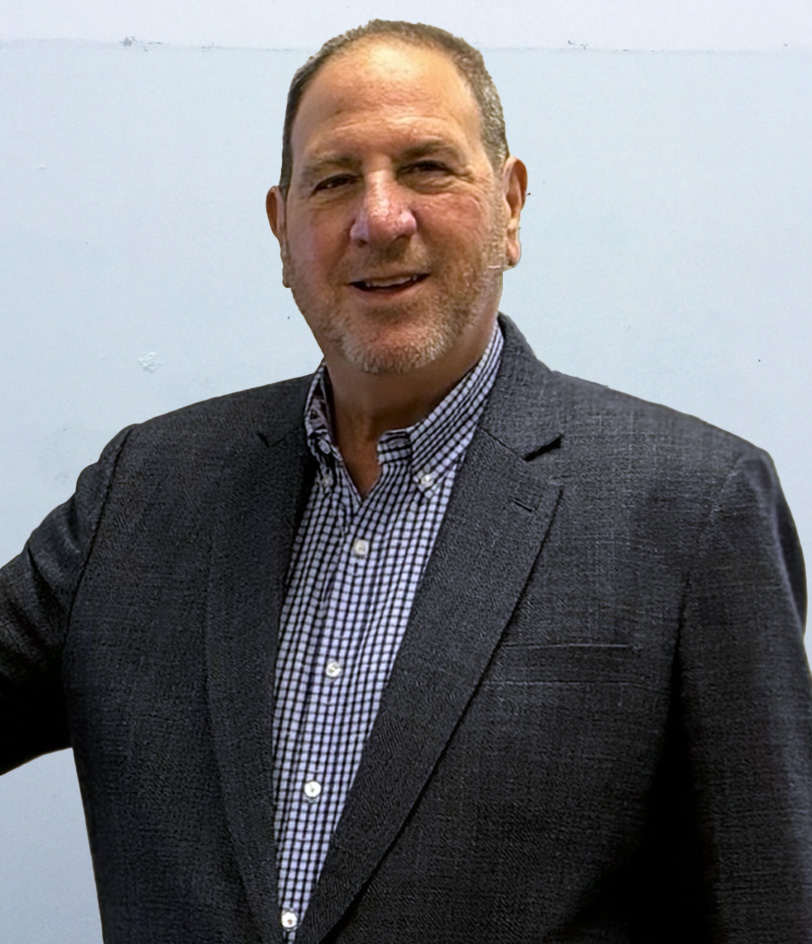 Caption: Mitch Samet, PhD, school psychologist and retired member of the Hastings Teachers Association.
Samet’s efforts weren’t limited to a single building. Other school psychologists in the area, and those he knew through the New York Association of School Psychologists and his participation in its executive committee, began to ask if he could share the information he had gathered.
According to the U.S. Centers for Disease Control, suicide is the second leading cause of death for youth and young adults between the ages of 10-24, and has been for many years.
Youth suicidal behavior – both suicidal thoughts and deaths by suicide – began to increase nationally around 2006-2007. “That's when kids started gaining access to smartphones. It's been a 20-year pattern,” said Samet. The trend is most noticeable in younger kids – older elementary school students and middle school students.
Technology has the power to build connection, but it can increase feelings of exclusion, Samet noted. And its role in our lives has shifted significantly in recent decades. Said Samet, “When I was a kid and I wasn't invited to the party, you kind of heard about it. But now kids can see who's there. They see pictures being posted in real time.”
“It has dramatically increased that sense of whether you're in or out of things,” according to Samet.
The COVID-19 pandemic was another inflection point for youth suicide risk, said Samet. The social isolation and stress brought by the pandemic were tough for everyone, but especially so for kids who come from dysfunctional homes, or LGBTQ students who may not be accepted by their families. For those kids, said Samet, “School was a safer place.”
Although the number of youth suicides has started to decline slowly in the last few years, technologies directed at kids and teens, such as AI chatbots, bring new complexity and challenges.
As the field has evolved, so has Samet’s involvement with it. After years of providing his training and expertise to colleagues on an ad hoc basis, Samet was invited to join the state’s suicide prevention task force, part of the Suicide Prevention Center of New York State, within the New York State Office of Mental Health. Samet now chairs the task force and continues to lead suicide prevention trainings around the state.
One training Samet recommends for all school personnel is SPCNY’s Suicide Safety for Teachers and School Staff.
“It’s a one-hour training that really looks at warning signs,” said Samet. “Can you recognize kids who are at risk? And if you're concerned about a student, do you know who to go to?”
Protecting children is a responsibility that’s shared across the school building, so SPCNY’s free training is designed to help anyone who works in a school – teachers, teaching assistants, bus drivers, office staff, coaches, and others – to be aware of the warning signs of suicidal behavior.
A more in-depth training called Helping Students At Risk for Suicide is available for the professionals directly involved in the process of getting help for at-risk students, including administrators, school psychologists, school social workers, and school counselors.
Not all schools in New York have the benefit of a full-time psychologist in their building, which makes it all the more important that other professionals in the school community receive training on how to spot students at risk.
That’s part of the reason why NYASP, which partners with SPCNY in developing and delivering suicide prevention trainings, chose to focus its celebration of National School Psychology Week, Nov. 9-13, on suicide prevention this year.
School psychologists play a vital role in helping young people thrive in and outside of school. Addressing concerns about students’ emotional health, large and small, is an essential part of their daily work. Through direct work with students and collaborative work with colleagues, parents, and the school community, school psychologists build a foundation of trust that students can rely on in moments of need.
The role of school psychologists isn’t just about responding to a crisis. It’s about the daily work of prevention – building positive, supportive relationships with students and creating a safe space for them to go in their most difficult moments, so that the worst case scenario doesn’t come to pass.
“Suicide prevention is a shared responsibility, but prevention goes beyond noticing warning signs,” emphasized Samet. “When students feel supported, included, and connected to trusted adults and their school communities, schools are better positioned to promote well-being and support early intervention.”
Visit the SPCNY website for resources and information on upcoming suicide prevention trainings.