A new federal law would funnel billions of your tax dollars away from public schools and toward private school tuition for other people's children — with none of the transparency or accountability the public expects in return. Now the decision falls to Governor Hochul: Will New York opt in to this privatization scheme, or protect the public schools that serve 90% of our children?
A Federal Voucher Program Is Coming—And States Must Choose
Beginning January 1, 2027, the Educational Choice for Children Act creates the first-ever national school voucher program. Passed by the narrowest possible margin — 51-50 in the Senate, with the Vice President casting the tie-breaking vote — it uses dollar-for-dollar federal tax credits of up to $1,700 per donor to route money to private "Scholarship Granting Organizations" (SGOs), most of which is expected to flow to private and religious school tuition.
Key facts:
- States must "opt in" by submitting approved organizations to the federal government — and once a state conforms to the federal tax code, it can lose revenue automatically, even without further legislative action.
- The program has no spending cap and no sunset provision. Once in, there's no easy way out.
- Estimated cost: $8–51 billion per year nationally, draining roughly $2.3 billion from state revenues over the next decade — with New York among the handful of states projected to absorb the largest losses.
- Federal officials at the Treasury and the IRS — not educators or state education officials — will control the rules.
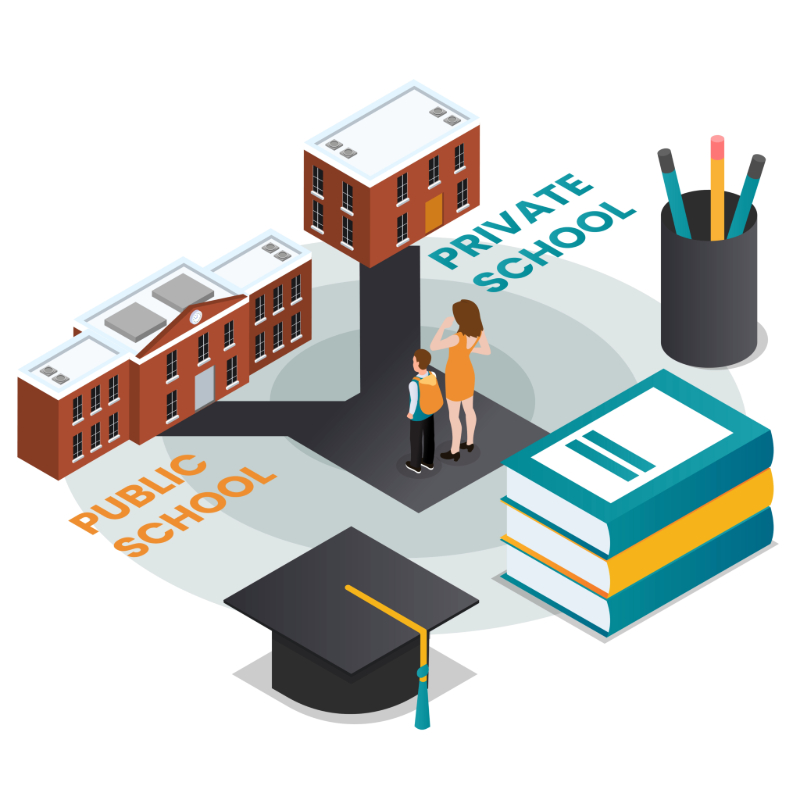
A school voucher redirects public tax dollars to pay for private school tuition. The branding varies — "Education Savings Accounts," "tax credit scholarships," "school choice" — but the mechanism is always the same: public money flowing to private schools, draining funding from the public schools that serve 90% of America's children.
When a student leaves with a voucher, the public school loses the full per-pupil funding — but its fixed costs don't shrink with one fewer student. Buildings, buses, utilities, and staff still cost the same. That forces cuts to teachers, programs, and support services for the majority of students who remain. In Cleveland, a 5% enrollment loss meant $654 less per remaining student and $31 million in total harm to the district. The school doesn't get smaller; it gets hollowed out.
This is not a program designed to help struggling families. Eligibility reaches households earning up to 300% of area median income — more than $500,000 in parts of New York — which makes it less an education program than a tax break for the wealthy. The data from states with voucher programs bears this out:
- 71% of Arizona voucher users had never attended public schools.
- 95% of Arkansas recipients were already enrolled in private school.
- In Indiana, voucher recipients were more likely to earn over $100,000 than under $50,000.
In practice, vouchers mostly subsidize families who have already left — or never used — the public system.
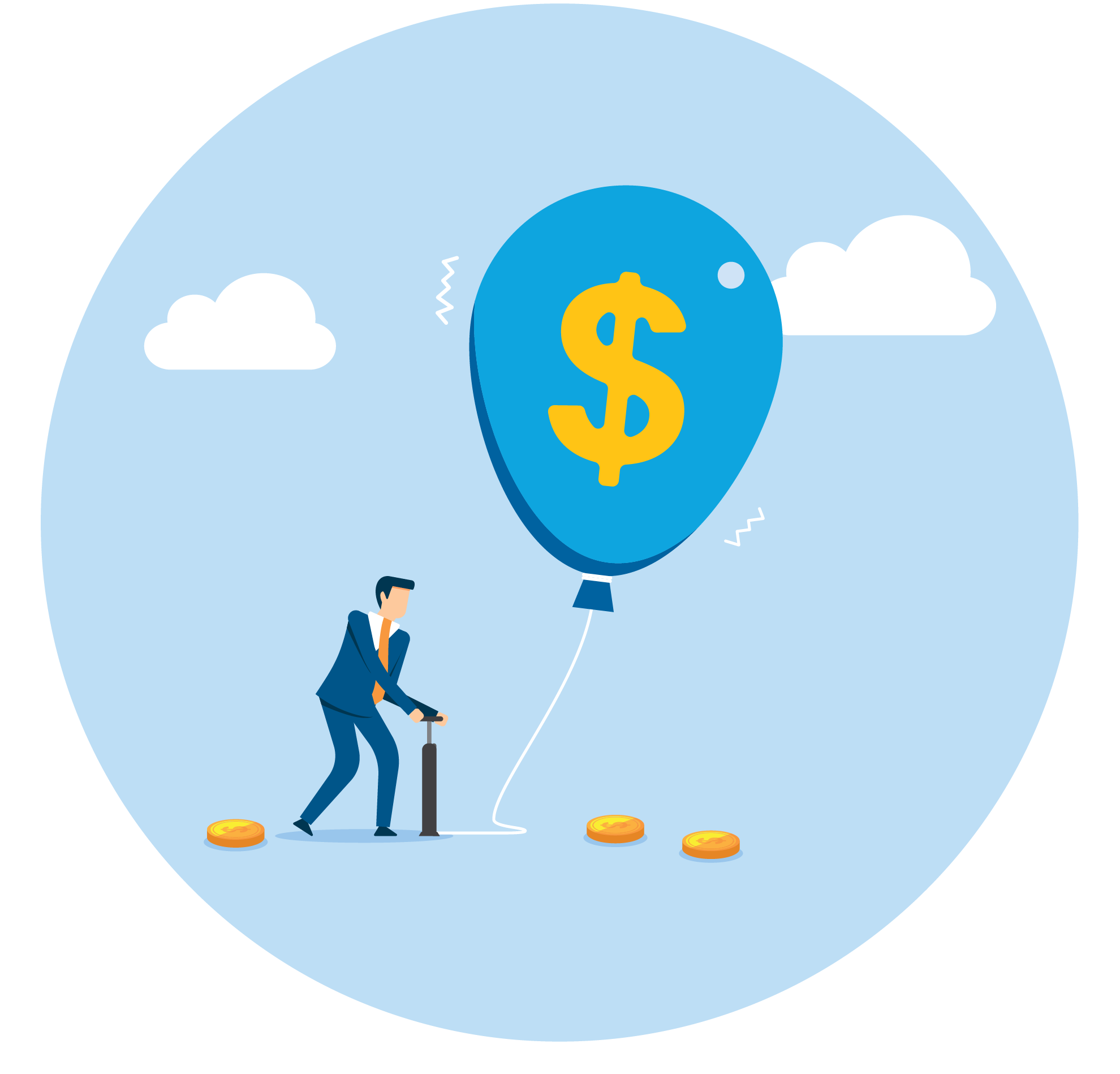
Voucher programs start small, then explode. Arizona's universal voucher program was projected to cost $65 million; by fiscal year 2024 it had reached $738 million — more than ten times the original estimate — and became a primary driver of a $1.4 billion state budget shortfall. To cover the gap, Arizona cut $333 million from water infrastructure, $54 million from community colleges, and tens of millions more from highway repairs.
Private schools that accept voucher dollars are exempt from most of the standards public schools must meet. They:
- Face no required financial audits and no public transparency.
- Can legally discriminate in admissions — and reject any child who doesn't fit their business model.
- Strip students with disabilities of their protections: a child who accepts a voucher can forfeit their rights under IDEA, including the right to a Free Appropriate Public Education.
Decades of evidence show vouchers don't improve academic outcomes — and often harm them. In Louisiana, voucher students were 50% more likely to fail math. Indiana saw learning losses that persisted for years. In Ohio, voucher students performed worse than their public school peers. The promise of a better education hasn't materialized; the loss of public funding has.
The data is clear: New Yorkers believe in public education.
Voters approve their school budgets year after year. With over 95% of school budgets passing annually across 683 districts, New Yorkers deliver a direct, recurring referendum on their commitment to public schools.
When voters understand the trade-offs, they reject vouchers. Polls show 71–74% support "school choice" in the abstract — but that support is a polling artifact of questions that name a benefit without a cost. When voters learn vouchers take money from public schools, the picture flips:
- 65% of Texans oppose vouchers once they understand the program would defund popular public schools.
- 68% of voters nationally choose increasing public school funding over funding vouchers.
- 71% of Wisconsin voters prioritize public schools when forced to choose.
School vouchers are a failed policy. They don't improve academic outcomes. They create a two-tiered system that rewards the already-advantaged, strips rights from vulnerable students, and drains the public schools that unite our communities. New York doesn't need to import this crisis — it needs to protect what 90% of our children depend on. New York must say no.