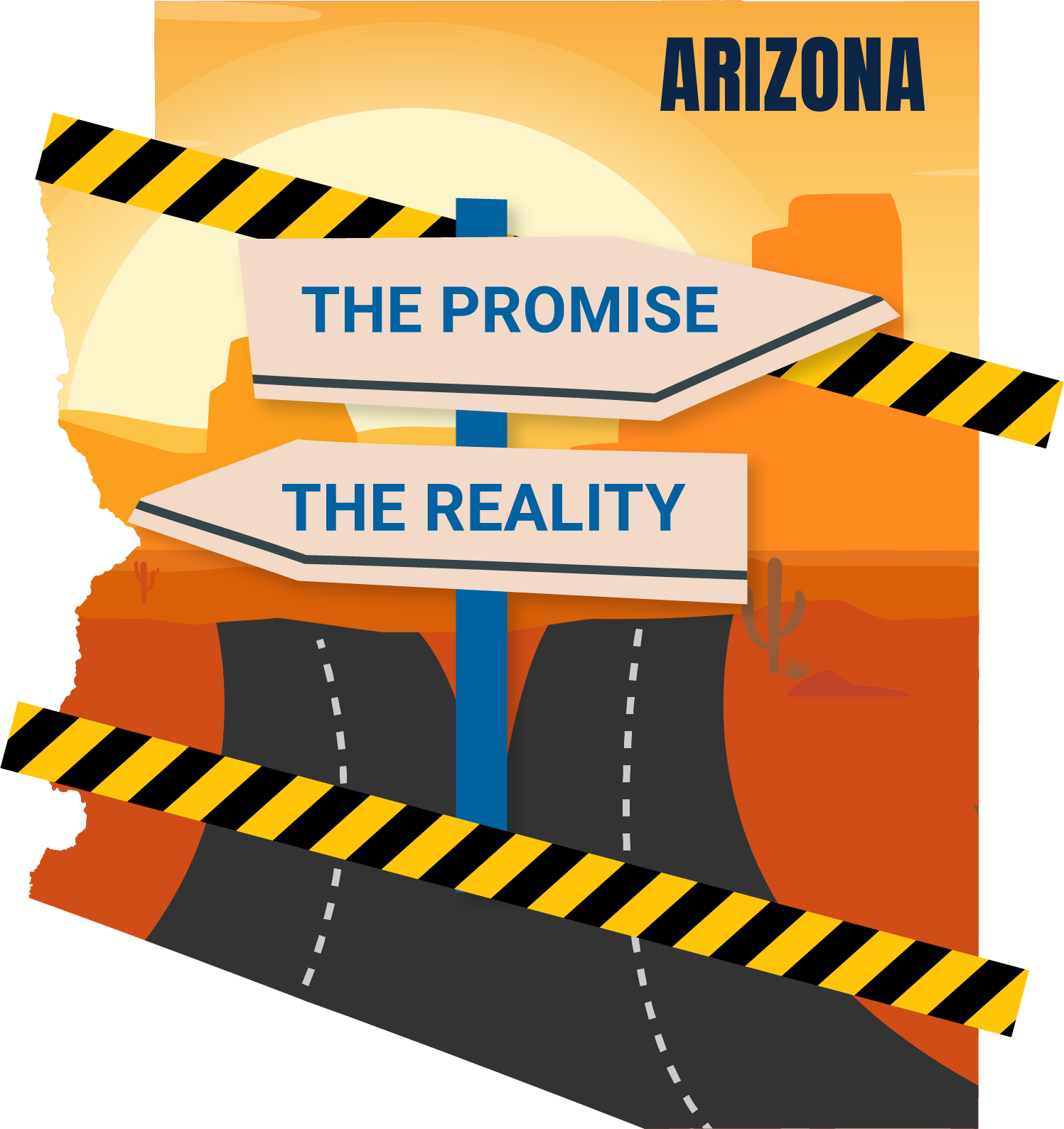
In 2022, Arizona launched the nation's most expansive school voucher experiment—a universal Empowerment Scholarship Account (ESA) program. Advocates, including the Goldwater Institute, made an explicit promise: the program would "save taxpayers thousands per student, millions statewide."
The reality? A fiscal catastrophe.
| What They Promised |
What Actually Happened |
| FY 2023 Cost: Under $65 million |
FY 2023 Actual: $332 million |
| FY 2024 Actual: $738 million |
| "Millions in statewide savings" |
FY 2025 Projected: $864 million |
| $1.4 billion state budget shortfall |
The program's fiscal disaster stems from one stunning fact: 71.2% of new voucher users never attended public schools. They were families already wealthy enough to afford private school—now getting subsidies paid for by everyone else.
Arizona didn't create opportunity. It created a windfall for the already-privileged.
To cover the voucher program's massive cost overruns, Arizona lawmakers slashed funding for essential services:
- $333 million from water infrastructure (in a drought-stricken state)
- $54 million from community colleges
- $132.7 million from housing programs during an affordability crisis
- $41 million from transportation
- Tens of millions from highway repairs
- Cuts to college scholarships for low-income students
The cruelest irony: Rural Arizonans without any nearby private schools still watched their tax dollars subsidize wealthy urban families' tuition, while their own public schools and community services were defunded.
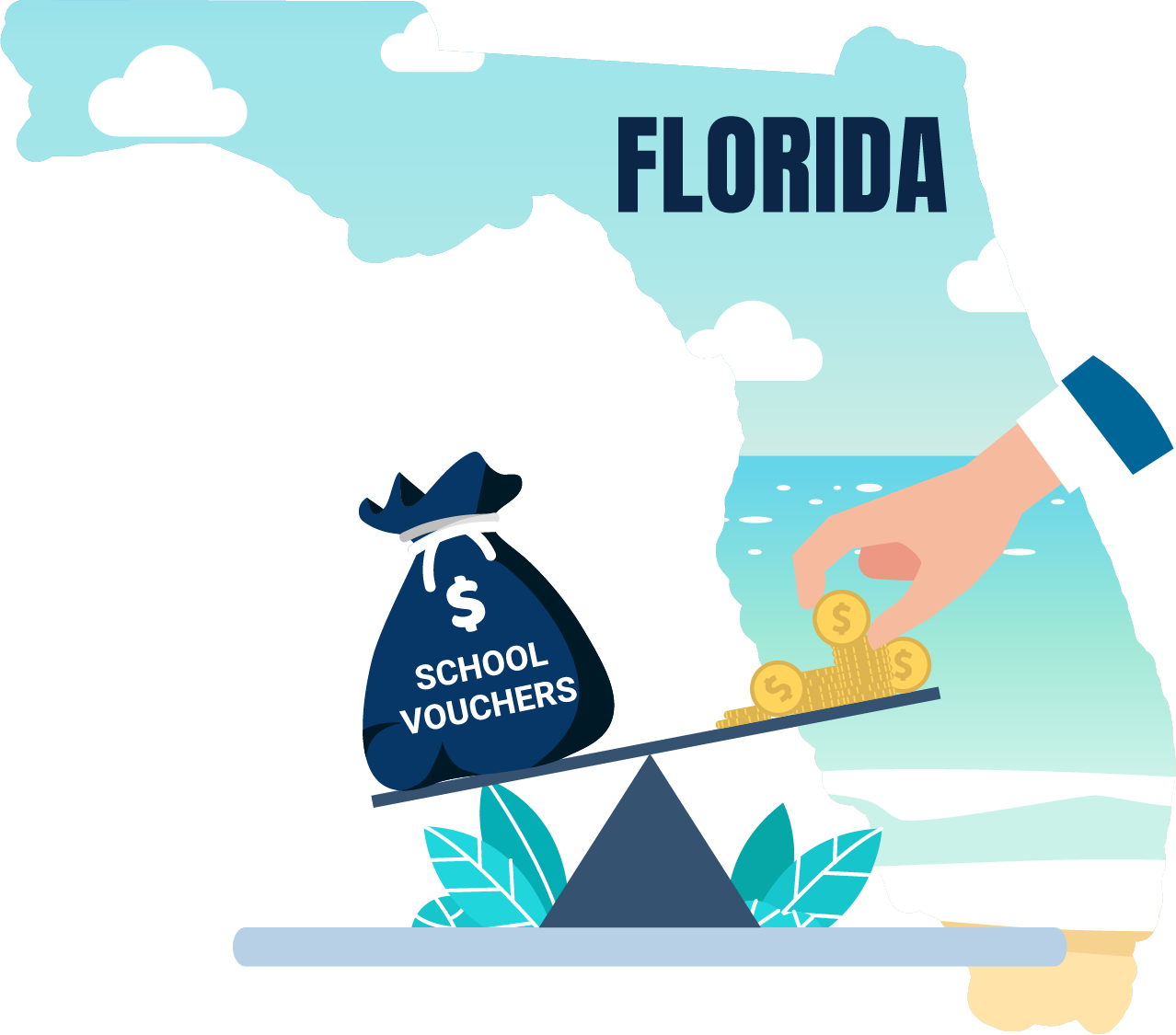
Florida's universal voucher expansion shows how these programs fundamentally reshape state budgets—to the detriment of public schools.
- Total voucher program cost: $3.9 billion in 2024-25
- Share of education budget going to vouchers: grew from 12% to 23% in just a few years
- Share available for public schools: shrunk from 88% to 77%
Who Benefits? An estimated 70% of Florida's voucher students would be in private school even without the program. When the program became universal, only 13% of new users came from public schools—while 69% were already in private schools.
This isn't "choice." It's a wealth transfer using taxpayer dollars to offset costs for families who already opted out of the public system.
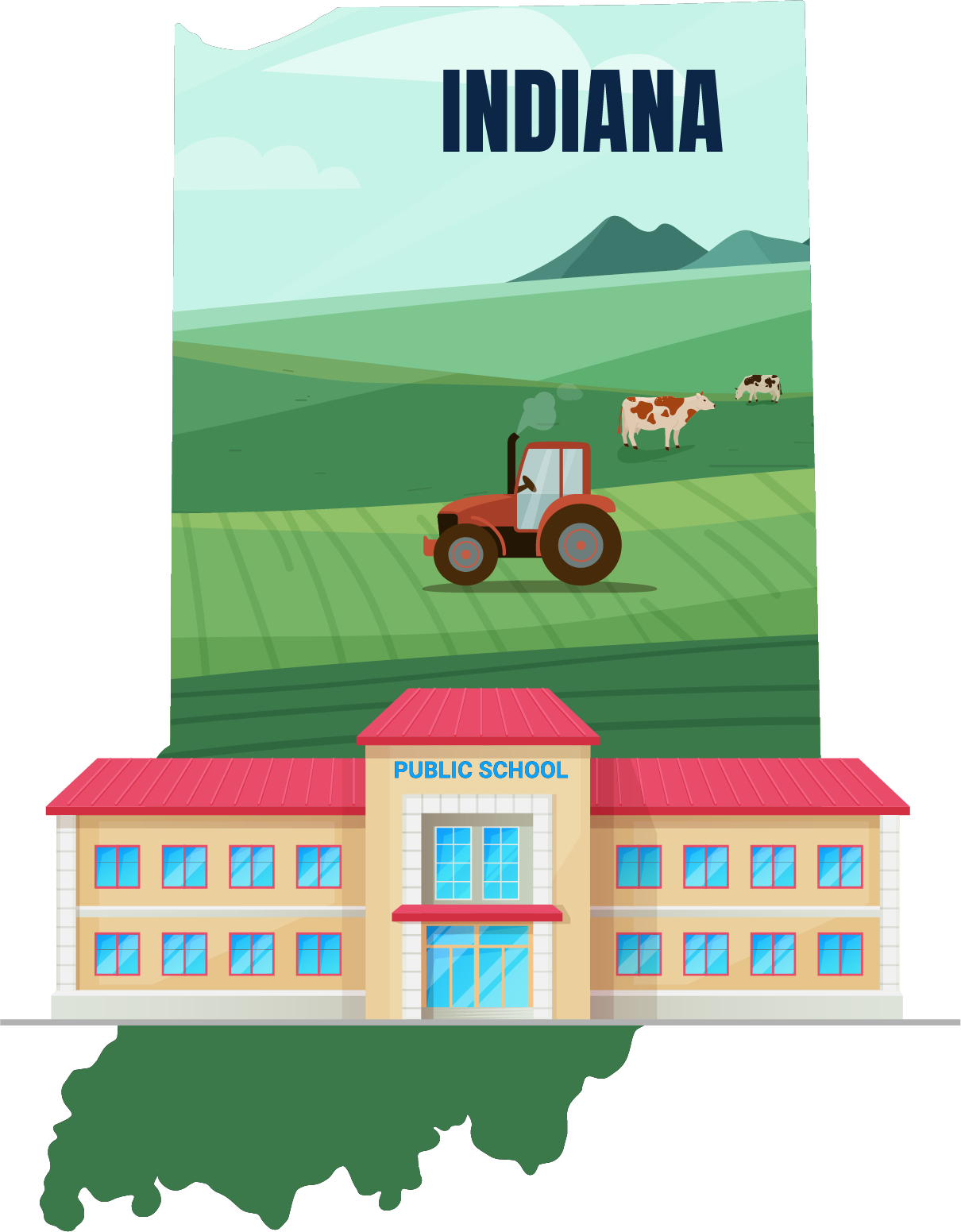
Indiana's Choice Scholarship Program, the largest by participation, offers crucial lessons about academic outcomes and geographic equity.
- Program cost in 2023-24: over $430 million
- Started at just $15 million
- Drained $115 million from public schools in one year
- Projected to exceed $600 million by 2027
A rigorous, multi-year study by the UCLA Civil Rights Project found statistically significant negative effects on mathematics achievement for students who used vouchers to transfer from public to private schools. Learning losses were most pronounced in the first two years.
Rural areas often have few private schools, meaning their students can't benefit from the program. Yet their public schools—often the largest employer and center of community life—suffer from statewide funding diversion. Rural taxpayers subsidize urban and suburban private school tuition while their own community schools are starved of resources.
| State |
Projected Cost |
Actual/Current Cost |
Key Finding |
| Arizona |
$65 million |
$864 million |
71% of users never attended public school |
| Florida |
|
$3.9 billion |
70% would be in private school anyway |
| Indiana |
$15 million |
$430+ million |
Negative effects on math achievement |
| Ohio |
|
~1 billion |
Projected to reach $1.25 billion by 2027 |
| Arkansas |
|
|
95% of recipients already in private school |
- Force everyone to pay
- Primarily benefit families already wealthy enough to afford private school
- Devastate public services everyone depends on
- Leave behind rural communities and working families